Common Bird and Bat Problems in Warehouses, Factories, and Plants
Local service providers can help resolve common bird and bat problems in warehouses, factories, and plants by safely removing pests and preventing future infestations.
Many warehouses, factories, and plants often face challenges related to common bird and bat problems in their structures. These issues can lead to property damage, contamination, and health concerns if not addressed properly. Property owners in the area who notice signs of unwanted avian or bat activity-such as droppings, nests, or noise-may find it beneficial to explore solutions offered by experienced service providers. Understanding the risks and practical steps to manage these pests can help maintain a safe and clean environment, making it worthwhile to learn more about the options available locally.
Local contractors specializing in bird and bat removal provide effective solutions tailored to the unique needs of industrial properties. They can help identify entry points, safely remove pests, and implement preventative measures to reduce future problems. Whether dealing with persistent bat colonies or bird infestations, property owners can find reliable assistance that minimizes disruption and protects their facilities. Keep reading to discover how these services can help address common bird and bat problems in warehouses, factories, and plants efficiently and effectively.
- Bird removal services are often needed when birds establish nests inside warehouses, and local contractors use humane exclusion methods to prevent future entry.
- Bat removal services are sought when bats roost in building eaves or attics, with local pros implementing safe removal and sealing techniques.
- Bird control solutions are essential for warehouses experiencing ongoing bird droppings and debris, with service providers installing deterrents to keep pests away.
- Bat exclusion services are necessary when bats cause contamination concerns, and local contractors focus on safe, effective sealing of entry points.
- Bird and bat deterrent services are recommended for facilities facing persistent pest issues, with local pros tailoring approaches to address specific problem areas.
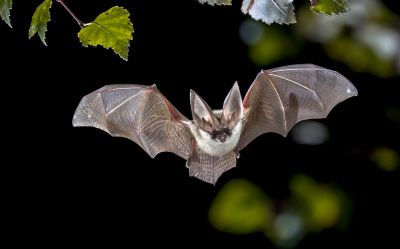
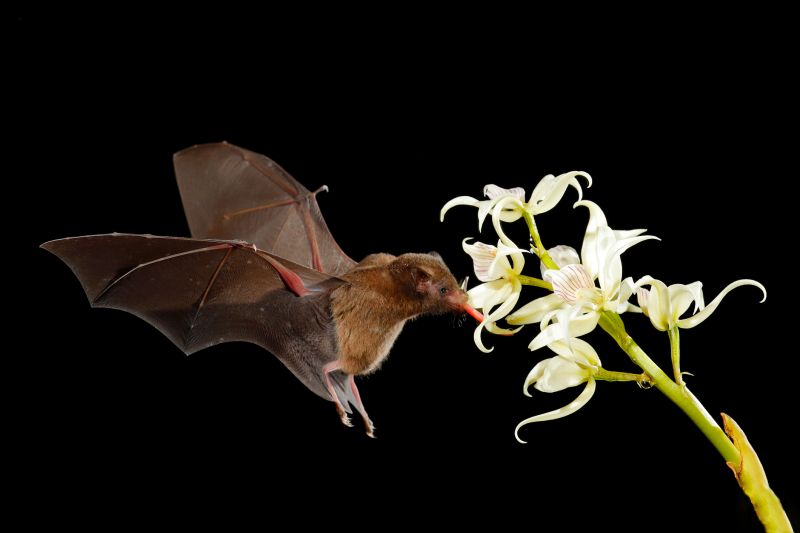
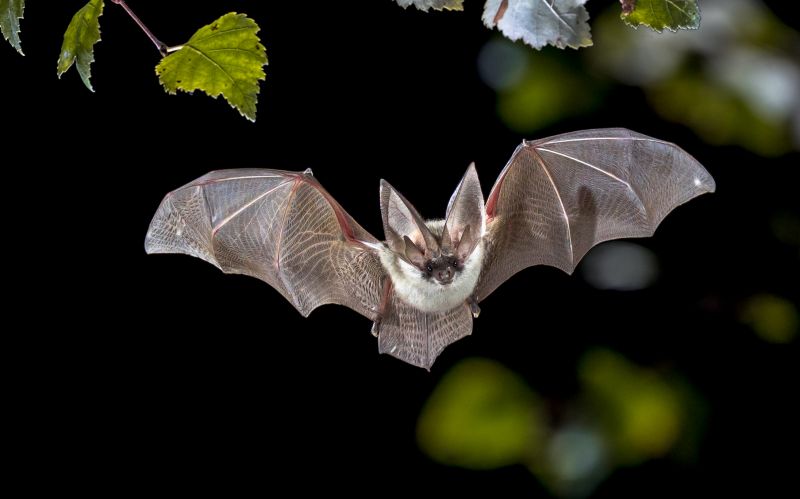
Understanding common bird and bat problems in warehouses, factories, and plants involves recognizing the challenges these animals can create within large commercial or industrial properties. When searching for this topic, many are typically concerned about how birds and bats might enter buildings, establish nesting sites, or cause damage to property and inventory. These issues often relate to the need for effective removal or exclusion strategies that prevent animals from settling into unwanted areas. People exploring this subject usually want to identify practical solutions that can address ongoing infestations or prevent future problems, ensuring their facilities remain safe, clean, and operational.
The problems associated with birds and bats in these types of properties often include the accumulation of droppings, which can lead to structural damage, corrosion, and health concerns due to the potential spread of diseases. Birds may also create nests that block vents, chimneys, or drainage systems, disrupting essential building functions. Bats, on the other hand, tend to roost in dark, sheltered areas such as rafters, attics, or behind wall voids, where their droppings can cause odors and promote mold growth. Addressing these issues typically involves a combination of removal, exclusion, and sanitation efforts, all of which require specialized knowledge and equipment that local service providers can supply.
Properties most commonly affected by these bird and bat problems include warehouses storing goods, manufacturing plants with large open spaces, and industrial facilities with high ceilings and extensive ventilation systems. These structures often provide ideal roosting or nesting sites due to their size, darkness, and availability of sheltered areas. In many cases, the presence of birds or bats can also be linked to nearby natural habitats or water sources that attract these animals. Property owners or managers dealing with these issues should consider working with local contractors experienced in bird and bat removal, who can assess the specific property layout and implement targeted exclusion methods to prevent future infestations.
For property owners and managers, understanding how these common problems relate to their facilities is essential for maintaining a safe and functional environment. Local pros can evaluate the property to identify entry points, nesting sites, and roosting areas, then recommend appropriate removal and exclusion strategies. Whether it involves installing bird spikes, netting, or sealing entry points, these specialists help ensure that birds and bats are kept out of critical areas. Connecting with experienced service providers can make a significant difference in managing these issues effectively, reducing damage, health risks, and operational disruptions caused by common bird and bat problems in warehouses, factories, and plants.
Building inspection services - specialists assess structures for entry points and vulnerabilities that attract birds and bats in warehouses and factories.
Pest exclusion projects - contractors implement barrier methods to prevent bird and bat access, reducing the risk of infestation and damage.
Wildlife proofing solutions - experts design and install deterrent systems to keep birds and bats away from industrial facilities.
Structural repair services - professionals fix damage caused by bird and bat activity, restoring integrity and preventing future problems.
Vent and exhaust system services - technicians ensure these openings are secure and bird- and bat-proof to maintain safety and cleanliness.
Sanitation and cleanup projects - specialists remove bird and bat droppings, which can pose health risks in industrial environments.
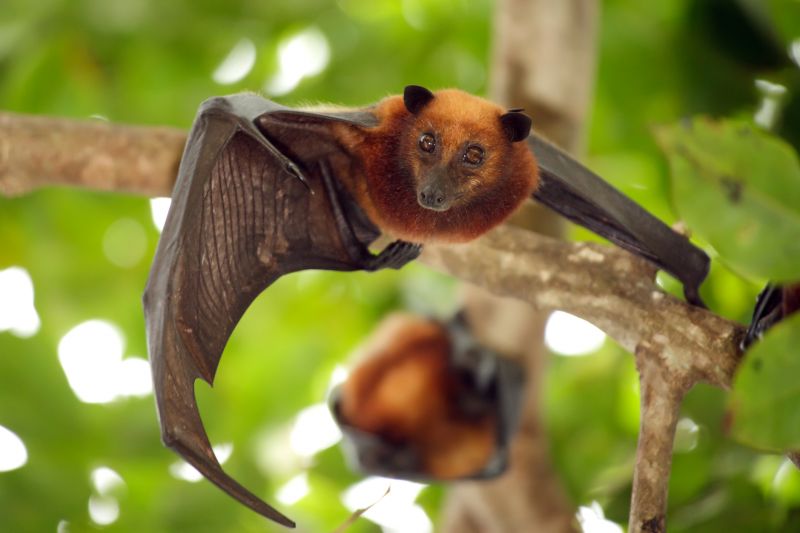
When evaluating service providers for bird and bat removal related to common bird and bat problems in warehouses, factories, and plants, it is important to consider their experience with similar projects. A contractor who has handled a variety of bird and bat issues in industrial settings is more likely to understand the unique challenges involved, such as access points, building materials, and the types of wildlife commonly encountered. Asking about their past work in environments similar to the facility in question can provide insight into their familiarity with the specific conditions and requirements, helping to ensure the chosen contractor has the practical knowledge needed for effective removal and prevention.
Clarity in written expectations is another key factor when comparing local contractors. Reliable service providers should be able to clearly outline the scope of work, methods used, and any follow-up or prevention measures included in their proposal. This transparency helps prevent misunderstandings and ensures that the project aligns with the specific needs of addressing common bird and bat problems in industrial buildings. A detailed, written plan also demonstrates professionalism and a commitment to clear communication, which is essential for managing complex projects in environments with high safety and operational standards.
Reputable references and good communication are vital indicators of a trustworthy contractor. When considering local service providers, it is beneficial to seek out those who can provide references from previous clients, especially those with experience in similar settings. Positive feedback about their reliability, effectiveness, and professionalism can offer confidence in their ability to handle the job properly. Additionally, responsive and clear communication throughout the process can help address questions, coordinate schedules, and ensure that expectations are met, ultimately supporting a smooth and successful resolution of bird and bat problems in warehouses, factories, and plants.
Property owners often search for common bird and bat problems in warehouses, factories, and plants when they are planning practical projects around their homes and businesses. Local pros provide Bird and Bat Removal services for everyday jobs and straightforward project options.
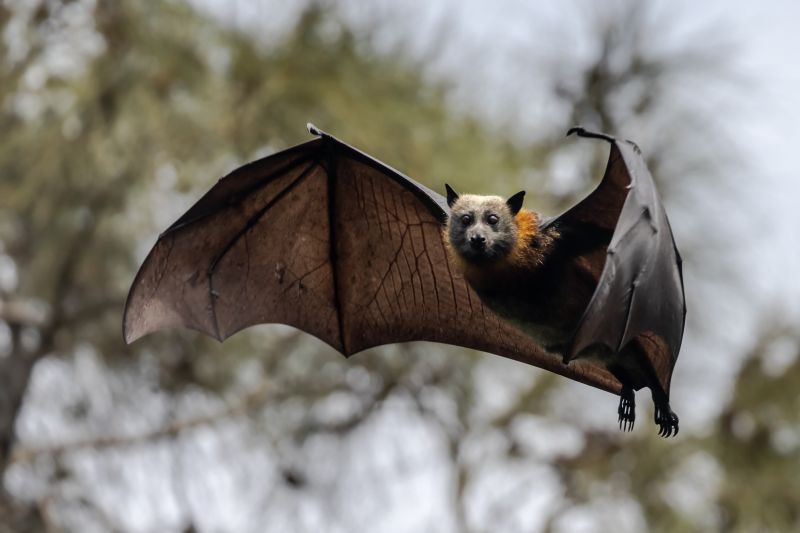
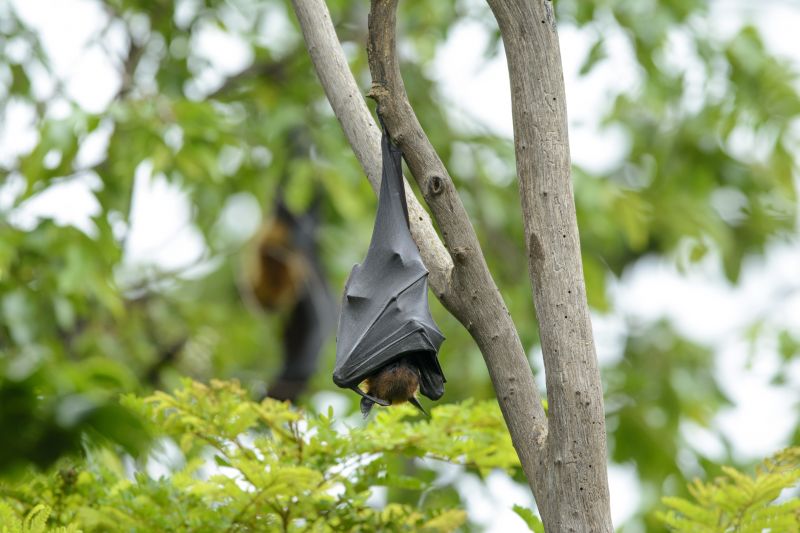
Many property owners in Warehouses, Factories, and Plants encounter common bird and bat problems that can impact daily operations. Birds and bats often seek shelter in large, open structures, leading to issues such as droppings accumulation, which can create safety hazards and damage building surfaces. Additionally, these animals may find entry points in roofs, vents, or eaves, causing infestations that are difficult to manage without professional assistance. Recognizing these signs early and understanding the simple reasons why birds and bats choose these spaces can help property owners decide when to seek help from local contractors experienced in removal and exclusion services.
Property owners might look into bird and bat removal services to prevent health risks, avoid structural damage, and maintain a clean work environment. Local service providers can assess the property for entry points and nesting sites, offering solutions to safely and effectively remove the animals and prevent future problems. Relying on experienced local contractors ensures that the removal process adheres to proper standards, reducing the likelihood of recurring issues and protecting the integrity of the building. Connecting with qualified professionals can help address common bird and bat problems efficiently, keeping warehouses, factories, and plants running smoothly.
What are common bird problems in warehouses, factories, and plants? Common bird problems include nesting in rafters, droppings contaminating products, and birds blocking ventilation systems. Local contractors can help with removal and prevention methods to address these issues.
How do bats create problems in industrial facilities? Bats often roost in dark, sheltered areas, leading to droppings buildup and potential health concerns. Service providers can assist with humane bat exclusion and cleanup to resolve these problems.
What health risks are associated with bird and bat infestations? Bird and bat droppings can carry diseases and cause structural damage. Local service providers offer removal and sanitation services to mitigate health hazards.
What methods are used to remove birds and bats from warehouses and factories? Removal methods typically include humane exclusion techniques, sealing entry points, and installing deterrents. Experienced contractors can implement these solutions effectively.
Can local service providers help prevent future bird and bat problems? Yes, they can install preventive measures such as bird spikes, netting, and bat-proofing to reduce the likelihood of recurring issues in industrial settings.
Identify entry points - property owners can work with local contractors to find and seal gaps or openings that birds and bats use to access warehouse spaces.
Install deterrents - applying bird spikes, netting, or other deterrent devices can help prevent birds and bats from roosting in problem areas with assistance from local service providers.
Schedule regular inspections - routine checks by professionals can detect early signs of bird and bat activity, allowing for prompt removal and prevention measures.
Implement exclusion strategies - local pros can help develop customized exclusion plans to keep birds and bats out of warehouse, factory, or plant facilities long-term.
If you are thinking about common bird and bat problems in warehouses, factories, and plants for a property, this guide is meant to help you understand this topic, the typical project types, and how different options might fit your plans.
When you are ready, you can use the quote form on this page to share a few details about your project. From there, local pros can review the basics and follow up with options that match what you have in mind.